
Advanced process control
Gas shielding, anti-statics, and real-time layer thickness measurement for unparalleled process stability, reproducibility, and quality.
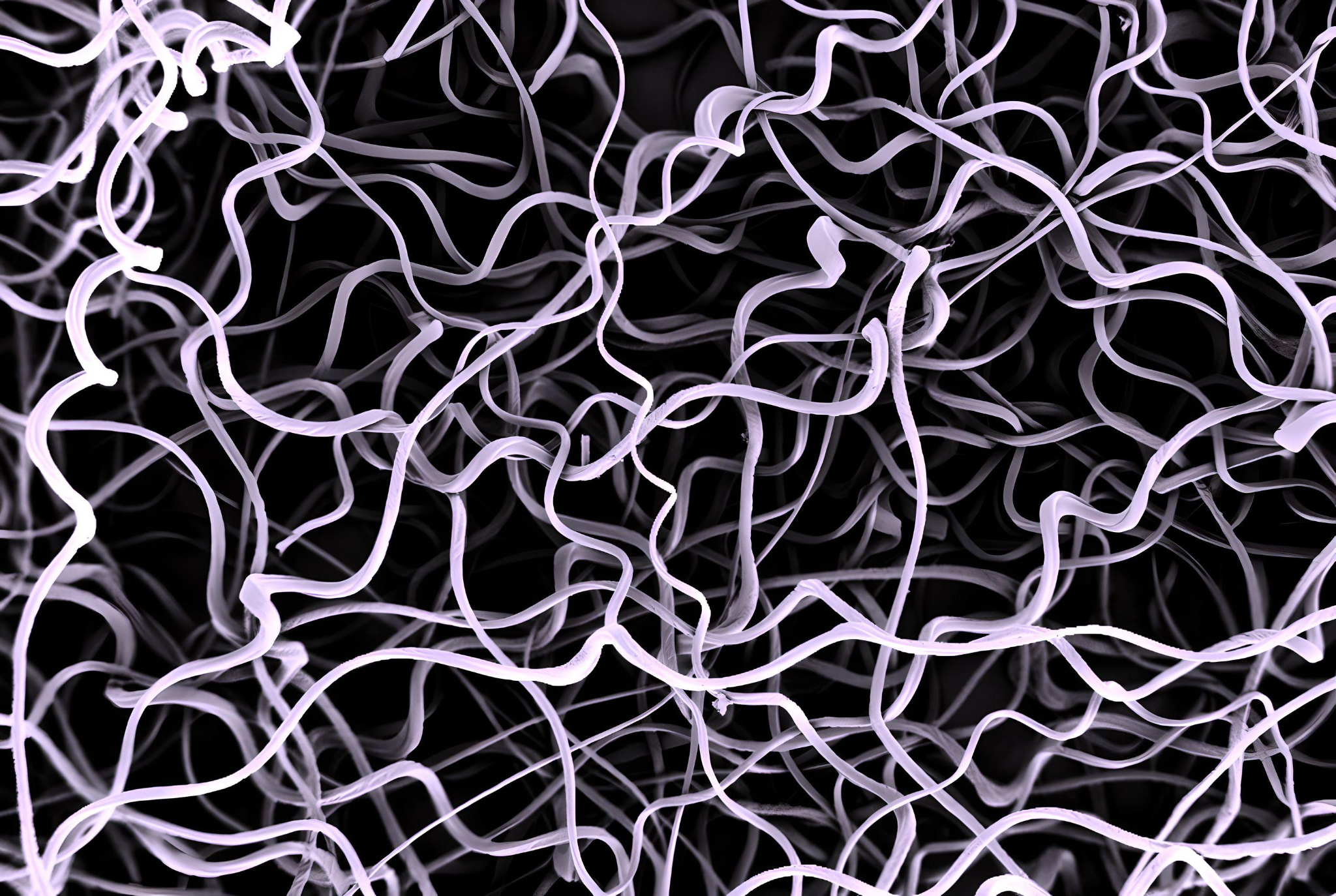
VIVOLTA’s electrospinning equipment range extends the capabilities of the EC-CLI electrospinning machine through a full suite of plug-and-play add-on modules and supports demanding nanofiber research for medical and advanced materials applications. Modular collectors, nozzles, pumps, gas management and in-line quality control tools allow research teams to tailor the system to their polymers, geometries and throughput needs—while keeping processes stable and reproducible.
Formerly IME Medical Electrospinning, VIVOLTA has been designing and building high-performance electrospinning platforms since 2008. More than 100 IME-branded R&D systems have been installed worldwide, establishing our equipment as the global standard for professional-grade electrospinning in both academic and industrial labs.

Gas shielding, anti-statics, and real-time layer thickness measurement for unparalleled process stability, reproducibility, and quality.

Multi-nozzles and coaxial nozzles for process scale-up and complex morphologies.

Plates, drums, tubular and low-temperature collectors for 2D, 3D, and highly porous forms.

Flexible nozzle stands and translation stages to support advanced process design.
Key features
Typical use cases

The EM-TMM module provides contactless, laser-based measurement of electrospun layer thickness during production. Using differential distance measurement, it monitors layer build-up at one or more locations on the collector—even at high speeds—and typically achieves tight thickness variation for comparable porous structures.
Key features

The EM-STD nozzle stand offers a flexible mount for different nozzle types and stationary collectors, making it ideal for material screening and parameter optimisation. Combined with EM-CXX collector plates in various diameters, it supports the production of small non-woven fibrous membranes on polished, well-grounded targets.
Key features

The EM-STD nozzle stand offers a flexible mount for different nozzle types and stationary collectors, making it ideal for material screening and parameter optimisation. Combined with EM-CXX collector plates in various diameters, it supports the production of small non-woven fibrous membranes on polished, well-grounded targets.
Key features

The EM-CAX coaxial nozzle enables electrospinning of core–shell nanofibres where the core and shell consist of different materials. This opens up applications such as fibre reinforcement, encapsulation of actives, and surface functionalisation with a tuned outer layer.
Key features

Volatile solvent systems can suffer from premature evaporation at the nozzle tip, causing cone instabilities, fibre defects and nozzle clogging. The EM-GSM gas shield module generates a protective cloud of solvent vapour around the nozzle to stabilise the Taylor cone and prevent premature drying.
Key features

High voltages used in electrospinning can lead to charge build-up on equipment and on the electrospun fibres themselves, disturbing the jet and reducing reproducibility. The EM-ASM anti-statics module uses fully controlled active ionisation to neutralise static charges inside the electrospinning chamber before and after a run.
Key features

The EM-RDC rotating drum collector enables production of large electrospun membranes with consistent thickness and controllable fibre orientation. A precision-balanced drum, integrated translation stage and careful motion control support efficient production of large-area membranes.
Key features

The EM-RTC rotating target collector accommodates a wide range of mandrel and drum collectors for tubular structures and aligned membranes. It supports both non-woven and highly aligned fibre architectures across different target diameters and lengths, with precise motion control and flexible placement.
Key features

The EM-LTE low-temperature collector uses low-temperature electrospinning to embed ice crystals from ambient moisture into the forming electrospun mesh. Once dried, the crystals leave controlled voids, enabling extremely high porosity levels for lightweight, open structures.
Key features

The system can be equipped with a HEPA filter yielding a debris- and particulate-free environment suitable for implantable medical device development and manufacturing
The system can be delivered with an integrated fume hood to safely draw off solvent vapor emitted during the spinning process. Custom designed to fit perfectly on top of the climate control cabinet with the spinning apparatus inside.

through climate control, anti-statics, gas shielding and in-line thickness measurement.
with modular nozzles, collectors and translation stages that can be reconfigured as research evolves.
by enabling tight quality control and reproducible scaffold architectures relevant for regulatory-grade development.

"*" indicates required fields

