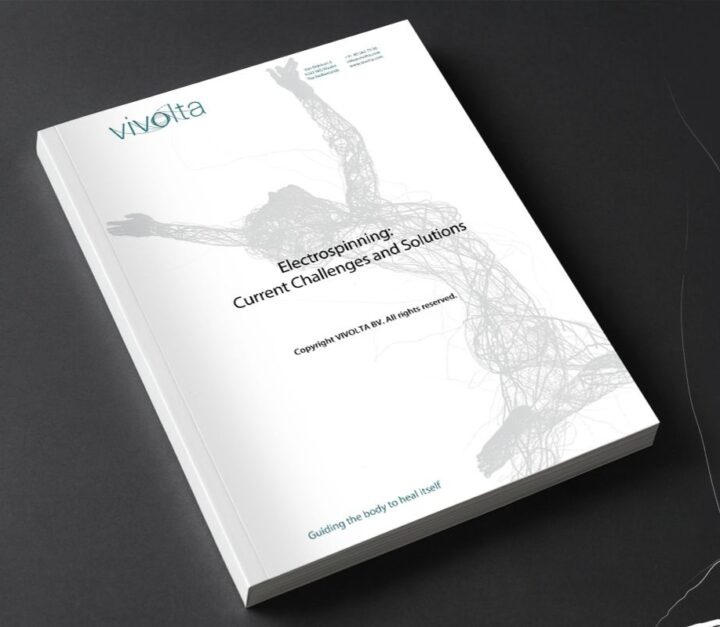
white paper - electrospinning current challenges and solutions

Electrospinning: A Comprehensive Guide

Read the white paper today

From Laboratory Art to a Manufacturing Science

Electrospinning: a comprehensive guide

Electrospinning has evolved from a niche academic technique into a transformative manufacturing process for the medical device industry. This white paper provides a clear, evidence-based overview of the entire landscape and serves as a comprehensive guide to solving electrospinning’s biggest challenges. We will explore the fundamental process, review its most promising medical applications, dissect the persistent challenges that hinder scalability, and detail how VIVOLTA’s integrated technology platform converts electrospinning into a predictable, GMP-ready solution.

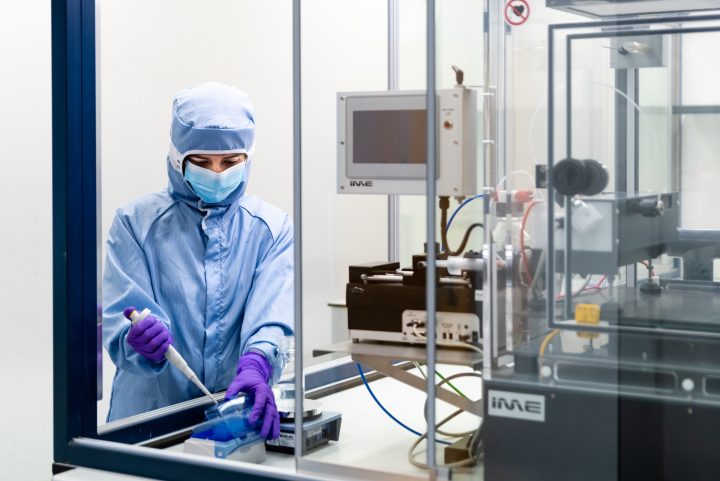
Nanofiber manufacturing

What is electrospinning?

Electrospinning is an additive manufacturing process that uses a high-voltage electric field to draw ultrafine nano- and micro-fibers from a polymer solution or melt. As a charged jet of polymer travels through the air, the solvent rapidly evaporates, leaving solid fibers that collect as a nonwoven, porous mat. This process creates nano- and micro-fiber materials with an exceptionally high surface area-to-volume ratio, making them ideal for applications that mimic biological structures.

Restorative medical devices

Why electrospinning matters in MedTech

The true value of electrospinning lies in its ability to create nanofiber architectures that closely resemble the body’s native extracellular matrix (ECM). This biomimicry is critical for guiding tissue restoration, supporting cell attachment, and enabling advanced drug delivery. From resorbable hernia meshes that promote natural tissue integration to heart valve scaffolds that encourage the body to build a new, living valve, electrospun materials are at the forefront of regenerative medicine

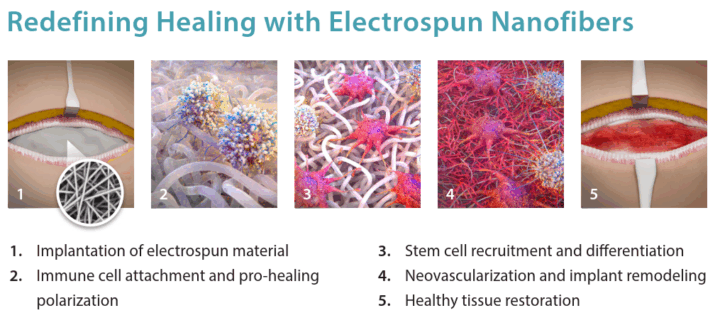
schematic of the restorative healing cascade triggered by electrospun materials
Read more about electrospinning here

Key topics covered in the white paper

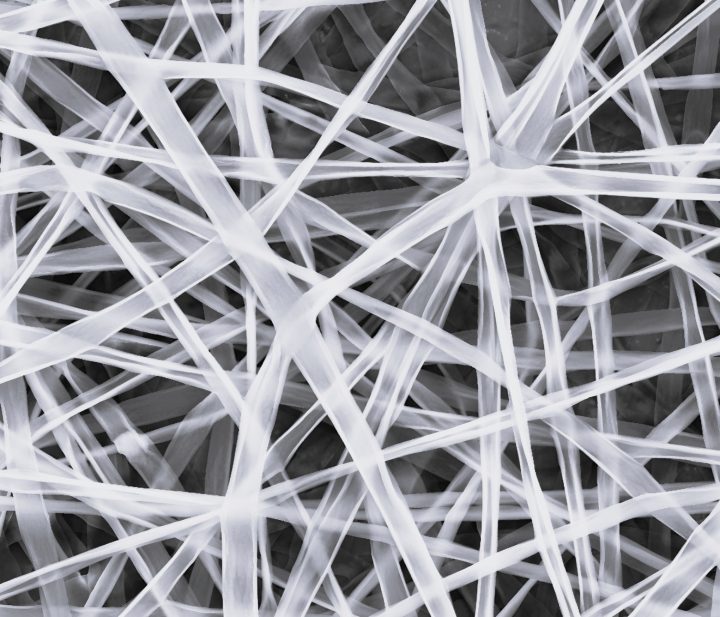
microscope image of nanofibers made by electrospinning

What is Electrospinning?

Understand the core process, key parameters, and material science foundational to electrospinning

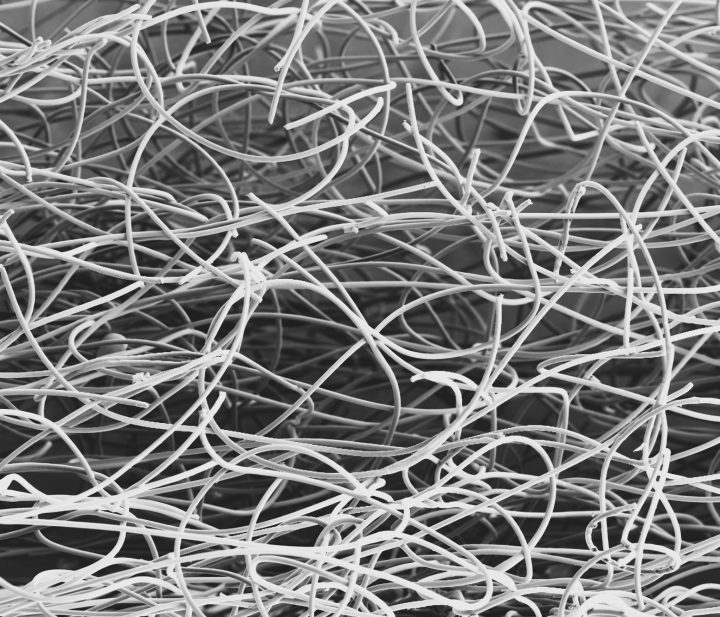
microscope image of nanofibers made by electrospinning

Key Medical Applications

Discover electrospinning’s use in cardiovascular, orthopedics, wound healing, and many more medical device segments with this in-depth review of the most important peer-reviewed literature.

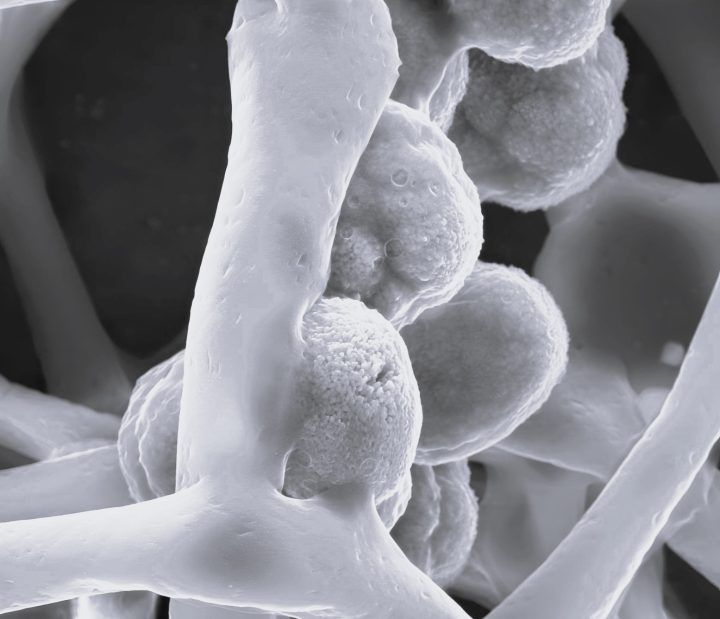
microscope image of nanofibers made by electrospinning

Current challenges of electrospinning

Learn why scaling electrospinning from the lab to commercial production is notoriously difficult and tangible, proven strategies on how to achieve it.

scanning electron micrograph of nanofibers made by electrospinning

VIVOLTA’s Technological Solutions

Discover our integrated electrospinning solutions for process control and repeatability and how we’re solving electrospinning’s biggest challenges in meaningful ways.

microscope image of nanofibers made by electrospinning

Scalable electrospinning unlocked

Explore the world’s first fully automated, high-throughput medical electrospinning production platform – the MediSpin™ system.

Frequently asked questions

Is electrospinning new?

The foundational principles were observed as early as 1887, but the technology gained significant momentum in the 1990s. Modern advances in automation, climate control, and in-line monitoring are what make it a viable, industrial-scale manufacturing process today.

How thick are the final constructs?

Fiber diameters typically range from the nanometer to micron scale. The final product can be an ultrathin membrane just a few microns thick or a complex 3D scaffold several millimeters thick, though building thicker constructs presents unique challenges.

What materials can be electrospun?

A wide range of natural and synthetic polymers can be used, including bioresorbable materials like PCL, PLA, and collagen, as well as durable, biostable polymers like polyurethane and polyester. Colloids, bioactive particles, and small molecule APIs can also be incorporated into electrospun fibers. The choice depends on the required mechanical properties, degradation profile, and biological response.

Please contact us at bd@vivolta.com to learn more.


Learn more

Ready to get started?

white paper - electrospinning current challenges and solutions

Download the white paper today

Get all your answers from our in-depth guide to electrospinning – its current challenges and solutions to overcome them.

Electrospinning vacancies

Discover our end-to-end solutions

VIVOLTA is the trusted contract development and manufacturing service provider for the medical industry providing end-to-end solutions from concept to commercial. Learn more about our full suite of CDMO services here.

PDF Donwload

"*" indicates required fields

You're almost there

Fill in the following to receive the PDF in your inbox:

Name*

Request a brochure - CDMO services

This field is for validation purposes and should be left unchanged.

About You

Your Name(Required)
Your Address
Your Email Address(Required)
A valid email address is required to deliver a brochure.
How did you find us?(Required)