News
Vivolta exhibits at Medical Technology Ireland 2026
Medical Technology Ireland 2026 once again brought together innovators, engineers, and industry leaders from across the MedTech sector in Galway to discuss the technologies shaping the future of healthcare. VIVOLTA was pleased to be part of the event, engaging with device developers and manufacturing partners on the growing role of medical electrospinning in next-generation medical devices.
A recurring theme throughout the exhibition was the industry’s continued focus on creating more functional, patient-centric device interfaces. Across a wide range of applications, developers are seeking materials and manufacturing technologies that can deliver enhanced biological performance without compromising scalability, quality, or regulatory compliance.
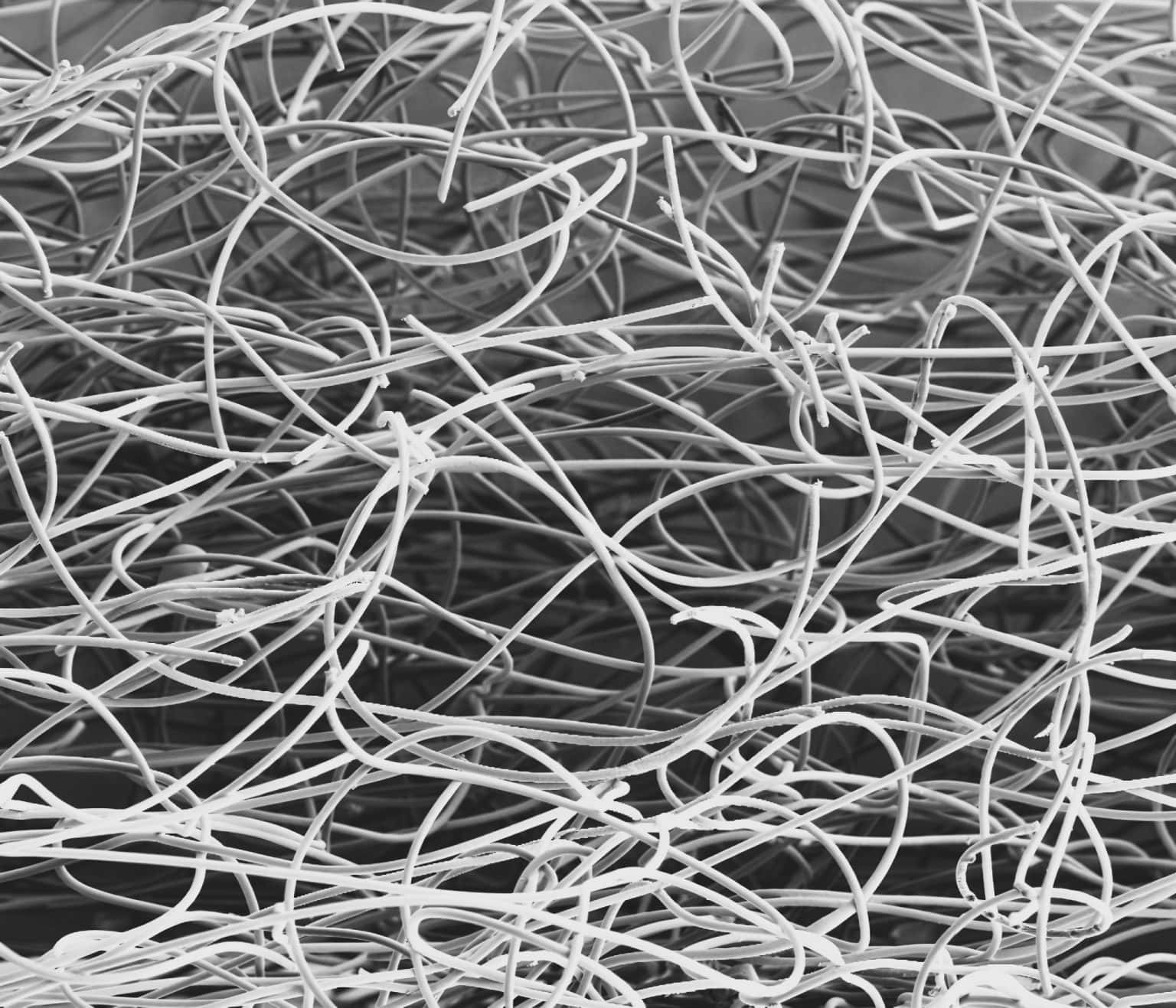
These discussions reinforced a broader trend that is becoming increasingly evident: electrospinning is advancing from an emerging materials technology to a practical platform for commercial medical devices. Interest in electrospun solutions continues to grow as developers explore new approaches to improve tissue integration, drug delivery, healing responses, and overall device performance.
At the VIVOLTA booth, conversations centered around four key application areas:
Cardiovascular Devices
Discussions focused on electrospun coverings and structures for stents, grafts, and other implantable cardiovascular devices, with particular attention to hemocompatibility, durability, sealing performance, and low-profile delivery requirements.
Orthopaedics & Sports Medicine
Visitors explored how electrospun scaffolds can support soft-tissue repair, bone integration, and regenerative medicine applications through tailored architectures and resorbable material systems.
Wound Care
The potential of nanofiber matrices to support wound healing through optimized moisture management, cellular infiltration, and localized therapeutic delivery attracted significant interest from developers working on advanced wound care solutions.
Drug-Eluting & Bioactive Devices
Many conversations focused on the unique ability of electrospinning to control drug loading, release kinetics, degradation behavior, and device architecture, enabling highly targeted therapeutic performance.
One of the most encouraging aspects of the event was the depth of the technical discussions. Attendees brought real-world development challenges related to manufacturability, scale-up, quality control, substrate integration, degradation profiles, and bioactive delivery. These exchanges highlighted the increasing maturity of the market and the growing demand for manufacturing-ready electrospinning solutions.
We would like to thank everyone who visited our booth and shared their projects, challenges, and perspectives. The conversations at Medical Technology Ireland 2026 reinforced our belief that medical electrospinning is becoming an increasingly important tool for solving complex device-interface challenges and enabling the next generation of high-performance medical products.
We look forward to continuing these discussions and supporting our partners in bringing innovative electrospun medical technologies from concept through clinical and commercial manufacturing.
