News
VIVOLTA at Biointerface 2026
We’ll be exhibiting in Salt Lake City next week (6–8 October) at the 36th Annual BioInterface Workshop & Symposium, where the focus exactly coincides with our work: the interface between an implanted material and the human body.
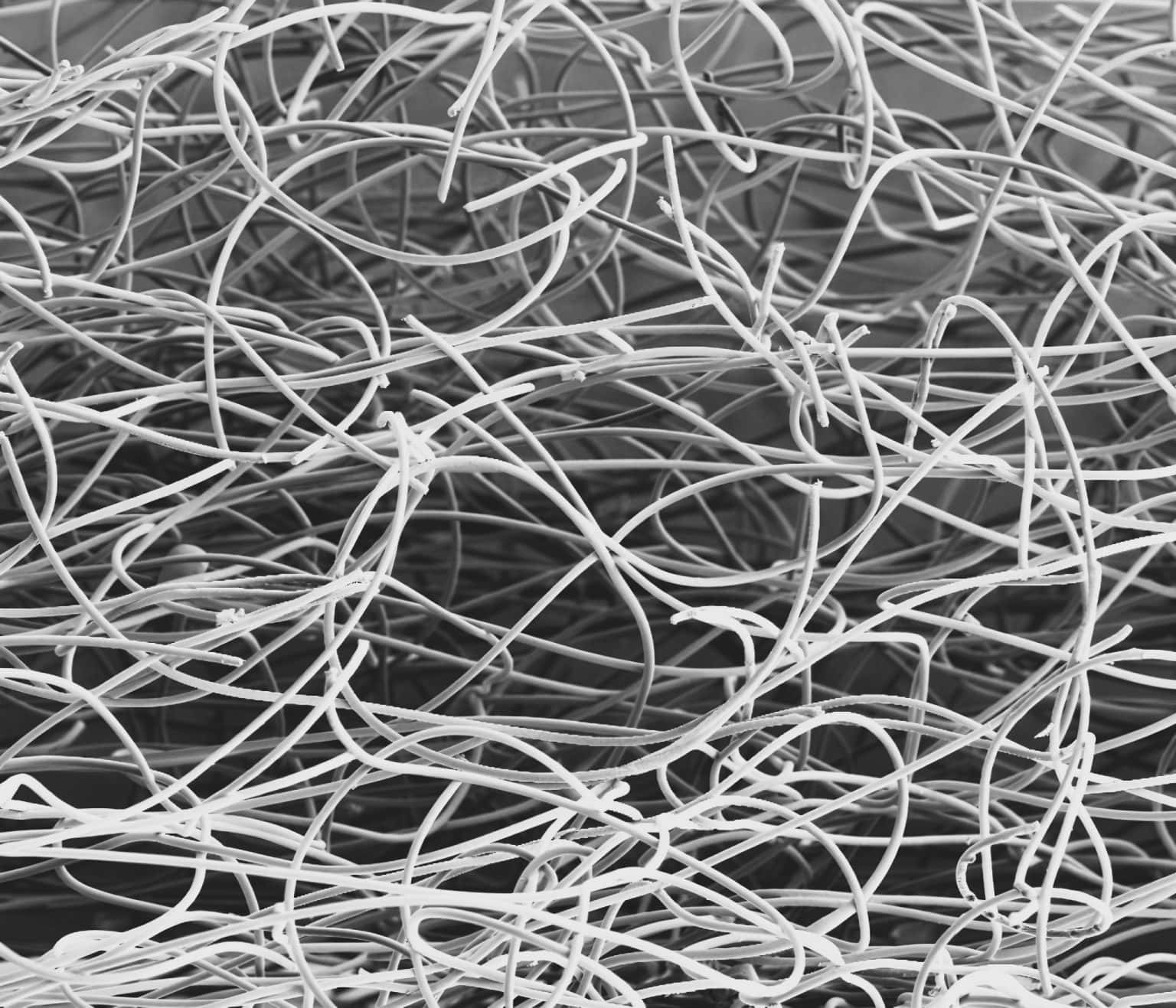
Electrospinning gives device developers unusual control over that interface.
Fiber diameter, porosity, alignment, chemistry, degradation, and surface architecture can all be tuned to influence how a device seals, integrates, remodels, delivers a therapeutic, or interacts with blood and tissue.
At BioInterface, we’ll be discussing applications across our core segments:
→ Cardiovascular — low-profile stent and graft coverings, structural-heart skirts, tubular scaffolds, and blood-contacting interfaces
→ Orthopaedics & sports medicine — collagen- and bioceramic-based scaffolds for tendon-to-bone healing, soft-tissue augmentation, and osseointegration
→ Wound care & soft tissue — highly porous, resorbable matrices designed for fluid handling, cellular infiltration, and tissue restoration
→ Drug-eluting & bioactive devices — localized delivery of small molecules, biologics, proteins, and particles directly from the fiber matrix